Why Perfectionism Fuels Your Inner Critic
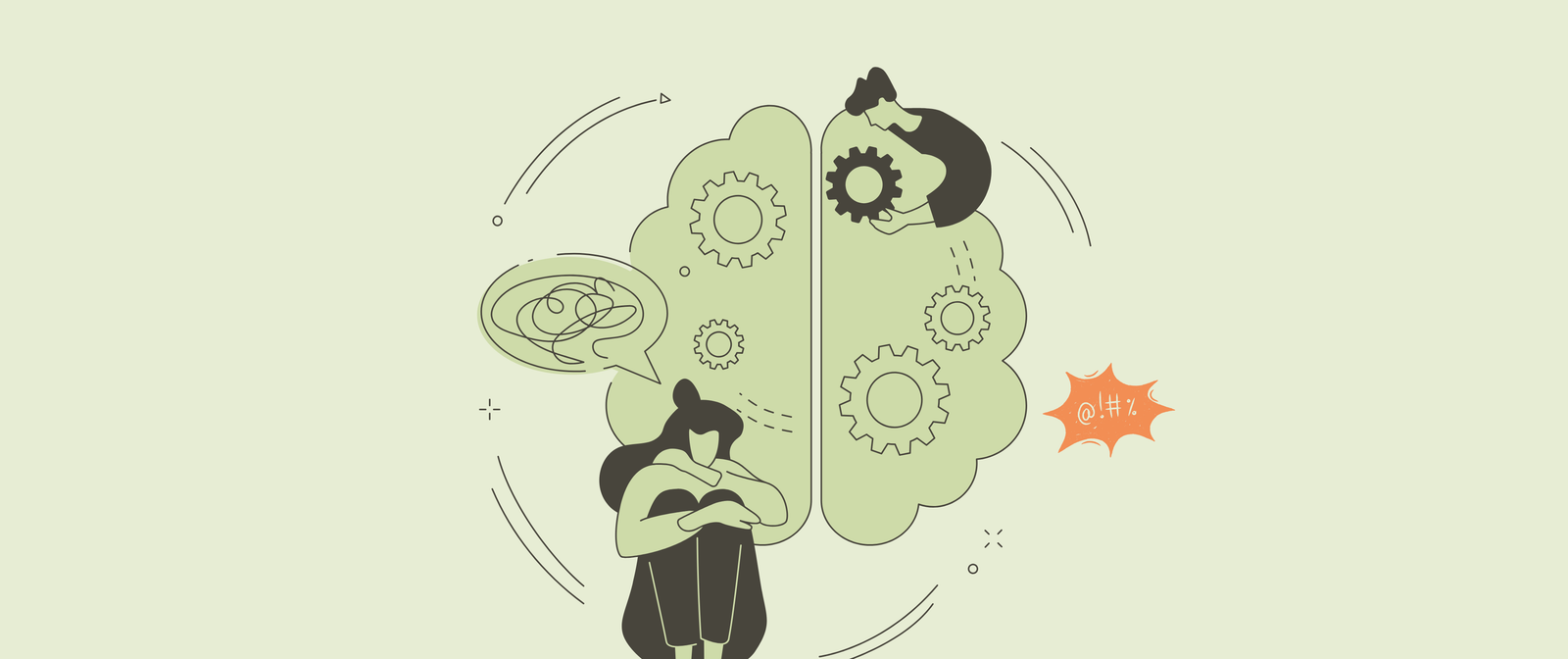
Not long ago, I would describe myself as someone with extremely high standards, especially toward myself. For a long time, I was convinced that everything I'd achieved (a spotless academic record, projects that actually landed, a fast-moving career) was the direct result of this perfectionism. Like so many people, I'd come to believe that my relentless inner voice was the engine behind my success.
Then one day, everything fell apart. My inner voice, though, stayed as harsh as ever, dragging me a little further each day into a kind of mental paralysis.
It was clear that it wasn't helping me. And yet I struggled to make it stop.
Perfectionism: More Complicated Than It Looks
Ah, perfectionism. The "flaw" people casually drop in job interviews, knowing the hiring manager will read it as a compliment in disguise. Hiding behind that word are qualities our culture genuinely admires: discipline, rigor, attention to detail, the drive to push past your limits. No wonder why so many high-achievers, creatives, and type-A personalities claim it as their own.
But here's the problem: perfectionism isn't one thing. Researchers draw a clear line between what they call adaptive perfectionism (high standards paired with some flexibility when things go wrong) and maladaptive perfectionism, where those same standards come bundled with a constant fear of failure and a brutal self-criticism that fires up the moment reality doesn't match the ideal.
In other words, perfectionism stays healthy when mistakes are treated as feedback rather than verdict. It turns toxic when a mistake stops being something you did and starts to define who you are.
From Perfectionism to Chronic Self-Criticism
The shift from adaptive to maladaptive perfectionism rarely arrives as a single breaking point. It seeps in, almost without you noticing. In the beginning, the drive works: it gets results, keeps you focused, makes you better. Your brain clocks the correlation and draws what seems like a logical conclusion: pressure equals performance, so keep the pressure on.
And that's how the inner critic quietly moves in. Not as a villain at first, but as a kind of overprotective bodyguard, always scanning for threats, always bracing for failure, rejection, or loss of control. The trouble is, it runs entirely on fear. And as that fear compounds, your inner dialogue slowly changes shape. You stop thinking:
"I want to do this well."
And start thinking:
"If I fail at this, I'm a failure."
Once that shift happens, mistakes are no longer just mistakes. They become evidence of your own shortcomings. And that’s when your brain starts quietly exhausting you.
Why Your Inner Critic Is So Hard to Shut Down
Part of what makes self-criticism so stubborn is that most perfectionists don't experience it as suffering. They experience it as discipline. Being hard on yourself feels like accountability, like the responsible thing to do. Research on athletes and musicians has confirmed just how entrenched this belief can get: some participants were so convinced that self-criticism was the price of high performance that they genuinely feared becoming mediocre without it.
Yet, the data tells a very different story. What drives real progress isn't the harshness of your self-talk. It's the why underneath it. Think about two athletes with identical skill levels. One trains because they love the sport. The other trains because they're terrified of falling short. Over time, the first one pulls ahead. Not because they work harder, but because fear is an exhausting fuel source.
The first step to reclaiming your mental energy from your inner critic is dismantling the myth that it's helping you. And the sooner you do it, the less damage you'll have to undo.
The Hidden Cost of Chronic Self-Criticism
Once self-criticism becomes the default setting, perfectionists tend to notice a few things creeping in:
- Wins stop feeling like wins. Even when you perform objectively well, success brings only a brief exhale before the bar quietly moves higher.
- Avoidance starts to look like caution. The fear of failure grows heavy enough that challenging situations get sidestepped, not from a lack of ambition, but because every attempt risks confirming what you already fear about yourself.
- Fear gradually replaces desire as the main motivator. The genuine enjoyment of doing something well gives way to the dread of doing it badly, until the motivation drains out entirely.
And the clinical picture is just as sobering. A 2019 study found strong links between chronic self-criticism and elevated rates of social anxiety, depression, and relational difficulties. And because self-criticism keeps the nervous system in a constant state of high alert, it also drives up cortisol, the body's primary stress hormone, disrupting sleep, weakening immunity, and throwing digestion off balance.
None of this is trivial. Unchecked, self-criticism is a direct road to eroded confidence, anxiety, and burnout.
Self-Compassion: The Science-Backed Antidote
Here's the good news: self-criticism has a well-researched counterpart : Self-compassion. Kristin Neff, the psychologist who put it on the map, defines it through three core elements: treating yourself with the same kindness you'd offer a friend, recognizing that struggle and failure are part of the shared human experience, and meeting your emotions with honest awareness rather than suppression or spiral.
The research outcomes are consistent and striking. Self-compassion significantly reduces self-criticism and improves emotional regulation, without softening your drive or lowering your standards. People who practice it experience lower rates of burnout, take more meaningful risks, learn more from their setbacks, and recover faster when things go sideways. When the brain is no longer running on dread, it gets better at everything: focus, creativity, resilience, and growth.
How to Build Self-Compassion Into Your Daily Routine With Matchamind
That's why Matchamind was built in the first place. The app offers a structured daily practice in three steps, designed to gradually shift the tone of your inner dialogue. Each step draws directly from the evidence base behind self-compassion-focused therapy:
1. Micro-journaling. You start by putting your thoughts into words and simply observing them. This is what Kristin Neff calls emotional mindfulness: meeting what you feel with clarity, without amplifying it or pushing it away.
2. Emotion labeling. The app surfaces both the emotions you're explicitly expressing and the ones sitting underneath. Research shows that naming emotions (what psychologists call "affect labeling") measurably reduces amygdala activation and improves emotional regulation in real time.
3. Inner dialogue reframing. The AI identifies the harshest automatic thoughts and rephrases them in a more accurate, fair, and realistic way through personalized affirmations, mirroring what cognitive behavioral therapists call cognitive reframing.
With enough repetition, your inner critic doesn't vanish so much as it loses its authority. The voice gets quieter. And what fills that space is something you can actually work with: a more grounded, clear-eyed perspective on who you are and what you're capable of.